Introduction to living in Spain: Murcia, Málaga, and Almería Imagine living in a sunlit villa in Murcia, enjoying both tranquility...
Back to blog
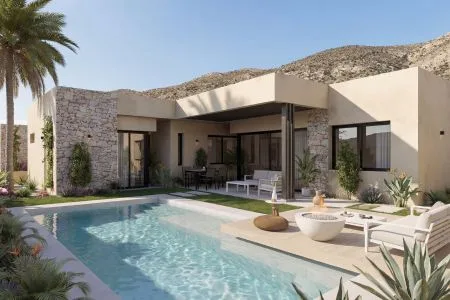

New energy regulations in Spain for 2030: How they will affect home buying and selling
What will change in the Real Estate market starting in 2030
Starting in 2030, the real estate market in Spain will undergo a profound transformation driven by European energy efficiency regulations. The new regulations will require that all homes intended for sale or rent have at least an E energy rating, marking a turning point in how housing is viewed in the country.
This measure, aligned with the goals of reducing CO₂ emissions and energy consumption, introduces a new standard that will directly affect the value, marketability, and viability of a large portion of the current housing stock. In this context, energy efficiency ceases to be a differentiating factor and becomes an essential requirement.
The challenge facing the real estate sector in Spain and in regions such as Murcia
Spain has an aging housing stock, with an average age exceeding 40 years. Many of these buildings were constructed at a time when energy efficiency was not a priority, which today translates into structural deficiencies in insulation, carpentry, and HVAC systems.
In regions such as Murcia and the Costa Cálida, where the climate demands efficient solutions for both heating and cooling, this challenge becomes even more apparent. A large proportion of existing homes have low energy ratings, such as F or G, which means they fall short of the standards that will become mandatory in the coming years.
This scenario presents not only a technical challenge but also a strategic issue for homeowners and investors seeking security and profitability in the medium and long term.
Necessary renovations and their impact on property value
Adapting a home to new energy requirements will, in many cases, involve significant renovations. These are not merely cosmetic improvements but structural changes that affect the property’s energy performance.
Improving thermal insulation, replacing windows, installing efficient HVAC systems, or integrating renewable energy sources will be some of the necessary measures. However, these renovations can entail significant investments, and for certain types of housing, they do not always guarantee meeting the required standards without a comprehensive renovation.
As a result, the market will begin to reflect a clear distinction between compliant homes and those that are not, directly affecting their value and marketability.
Energy regulations that will continue to evolve by 2033
Regulatory requirements will not stop in 2030. By 2033, the minimum requirement will increase to energy efficiency class D, reinforcing the transition toward a more efficient and sustainable housing stock.
This evolution confirms a structural trend in Europe, where housing is increasingly viewed as an asset aligned with criteria of sustainability, efficiency, and environmental responsibility. In this regard, any purchase or investment decision must consider not only the present but also the future regulatory framework.
An opportunity to invest in real estate with a forward-looking vision
In this new landscape, destinations like Murcia take on special prominence. The region, increasingly sought after by international buyers for its climate, quality of life, and value for money, positions itself as a strategic location for investing in housing.
However, this opportunity also comes with a new level of demand. Buyers, especially those from Northern Europe, increasingly value energy efficiency as a key factor in their decision-making. This is driving demand for modern, sustainable homes that comply with regulations.
In this context, developments such as Altaona Golf & Country represent a new generation of residential projects in the Region of Murcia. Located in a stunning natural setting, just minutes from the city of Murcia and the sea, Altaona combines design, sustainability, and quality of life in a concept aligned with European market trends.
The big value of future-ready homes
The real estate market is evolving toward a clear segmentation: on one hand, homes that require retrofitting, and on the other, homes designed from the outset according to energy efficiency criteria. The latter not only offer greater thermal comfort and lower energy consumption but also provide stability in terms of regulations, ease of resale, and value appreciation. In an increasingly demanding regulatory environment, having a home prepared for the future becomes a clear competitive advantage.
Homes designed to comply with regulations from the start
The Art of Living in Spain, a construction and development company in Murcia that undertakes all its real estate projects with a long-term vision, anticipating regulatory changes and the demands of the international market. Each home is conceived from the design phase to achieve high levels of energy efficiency, meeting A+ rating standards.
This commitment to sustainability and innovation has been recognized internationally, winning the award for “Best Sustainable Project in Spain” at the prestigious “European Property Awards,” one of the most significant accolades in the European real estate sector.
In developments like Altaona, this philosophy translates into homes that blend seamlessly into their surroundings, featuring advanced construction solutions designed for the well-being of the user, while also ensuring full compliance with current and future regulations.
Conclusion: A structural shift redefining the Real Estate market
Energy regulations will mark a turning point in the real estate sector in Spain. Energy efficiency is establishing itself as one of the fundamental pillars in the valuation of any real estate asset, influencing both its price and its market viability.
In this new context, anticipating change will be key. Opting for homes that already meet—or even exceed—the required standards not only reduces risks but also positions the investment in line with the future of the market.
Murcia, and especially projects like Altaona, present a clear opportunity for those seeking not just a home, but a solid, sustainable investment that is ready for what lies ahead.


Cost of living comparison: Murcia vs Málaga vs Almería

Taolis Research & Analytics 18/08/2025
Rethinking real estate potential: Murcia vs Spain’s top investment cities
Murcia investment: challenging Spain’s biggest property hubs For years, most institutional real estate investment in Spain has been concentrated almost...
Move to Spain,Projects 22/05/2025
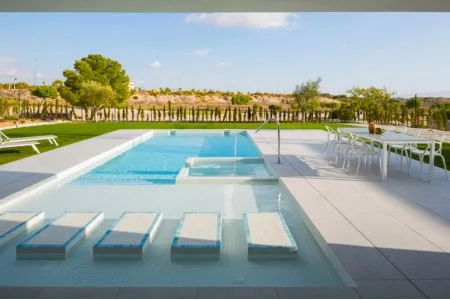
Houses and villas with private garden and pool in Murcia, southern Spain: find your ideal home
More and more people now prioritise finding houses with pool in Murcia and gardens that offer comfort, privacy and a...