Move to Spain 28/07/2026
Murcia vs Marbella: Why international buyers choose Murcia
For many overseas buyers, the search for a home in Spain often begins with one well-known destination: Marbella. Its luxury...

Mediterranean architecture is one of the most recognizable and admired styles in the world. Inspired by warm climates, outdoor living and natural materials, it combines simplicity, light and harmony with the surrounding landscape. In its contemporary form, this style evolves toward clean lines, energy efficiency and modern solutions while preserving its traditional essence.
In this blog you will discover its main characteristics, the materials that define it, real modern examples and ways to incorporate this timeless style into contemporary homes.
Mediterranean architecture originated in countries bordering the Mediterranean Sea, including Spain, Italy, Greece and southern France. In these regions, architecture evolved in direct response to climate, landscape and daily life.
Homes were traditionally designed to manage heat naturally. Thick walls, shaded outdoor areas and interior patios helped regulate temperature and improve comfort.
Today, Mediterranean architecture blends these traditional principles with modern design and construction systems. The result is a timeless style that feels bright, sustainable and perfectly adapted to contemporary living.
Natural light is one of the defining elements of Mediterranean architecture. Homes are designed to capture daylight throughout the day using large windows, open façades and interior courtyards.
This approach creates bright and welcoming interiors while reducing the need for artificial lighting. It also strengthens the connection between indoor spaces and the surrounding environment.
Mediterranean homes are designed to blur the boundary between indoor and outdoor living. Terraces, porches and gardens function as natural extensions of the home.
These spaces are often shaded and protected, allowing them to be used comfortably throughout the year. This design supports a relaxed lifestyle centred around nature and fresh air.
Traditional Mediterranean architecture relies on materials sourced from the local environment. Wood, stone, clay and ceramic add warmth and authenticity to each space.
These natural materials age beautifully over time and reinforce the strong connection between the home and its surroundings.
Traditional Mediterranean architecture relies on materials sourced from the local environment. Wood, stone, clay and ceramic add warmth and authenticity to each space.
These natural materials age beautifully over time and reinforce the strong connection between the home and its surroundings.
Cross ventilation is a fundamental principle of Mediterranean design. Openings are positioned to allow air to flow naturally through the home.
This passive system improves thermal comfort and reduces the need for mechanical cooling, making the architecture both efficient and sustainable.

The Mediterranean colour palette is inspired by the natural surroundings. Soft and earthy tones create warm, balanced and timeless spaces.
These colours reflect the sea, the land and the sunlight, helping interiors feel calm and connected to the environment.
Among the most characteristic materials we find:
Today these materials blend with modern construction systems that improve resistance, insulation and energy efficiency. One example is Sismo, an innovative system ideal for contemporary Mediterranean homes thanks to its sustainability and durability.

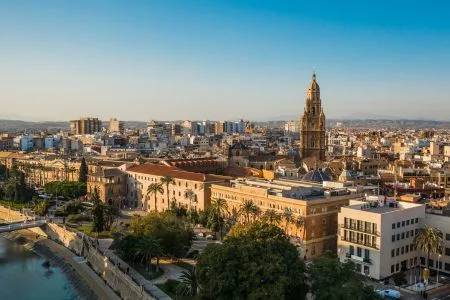
Murcia has become a reference for contemporary Mediterranean architecture. New-build homes in the region combine traditional design principles with modern sustainability standards.
The local climate and landscape make Murcia an ideal setting for architecture focused on light, outdoor living and energy efficiency.

One of the most outstanding examples is Oasis Altaona, a new residential development awarded Best Sustainable Project in Spain at the International Property Awards 2024-2025.
Located on the Costa Cálida, this exclusive community features 73 newly built Mediterranean villas that combine luxury, sustainability and modern living within a private resort.
Each villa sits on a spacious private plot with a garden and swimming pool, offering the perfect outdoor lifestyle. The design maximizes natural light and creates a smooth transition between indoor and outdoor spaces. Its eco-friendly construction ensures energy efficiency and year-round comfort.
Oasis Altaona is ideal for those seeking peace, nature and proximity to the beach and urban amenities.
Modern Mediterranean homes reinterpret traditional architecture through contemporary design. They focus on simplicity, comfort and strong connections to nature.
These homes prioritise open layouts, natural materials and seamless indoor-outdoor transitions suited to modern lifestyles.
Mediterranean architecture can be easily adapted to modern homes by following a few essential design principles.
By focusing on light, materials and outdoor integration, it is possible to achieve a timeless Mediterranean aesthetic with contemporary comfort.

Clean forms, soft colors and natural materials.
Porches, terraces, pergolas and Mediterranean gardens enhance the style.
Use stone, wood or ceramic together with modern systems such as Sismo, which supports durable and energy-efficient construction.
Interior patios, skylights and large windows are key elements.
Mediterranean colors promote balance and wellbeing.
Mediterranean architecture stands out for its balance between beauty, functionality and connection with nature. Its traditional principles blend today with modern solutions that enhance sustainability, light and comfort.
Projects like Oasis Altaona and the new-build developments in Murcia demonstrate how this style continues to evolve without losing its identity. The combination of natural materials, abundant light and contemporary design creates homes that transmit calm and high quality of life.